Up Coming Events from our director.
Sun n Fun will be a good start. April 14-19, 2026.
We are looking for a replacement of Larry’s Bust Out of Winter event. This past year even though the weather was not good many went anyway, some drove in.
Our convention will be in Wayne Nebraska this year. June 9 - 12, 2026. Scott and Jean Morgan are planning some great events for us this year. Fly-in or Drive-In, please come for the Ercoupe Camaraderie. It will be wonderful to see how many Coupes we can get to fly there.
2026 EOC National Convention Registration is now open! Learn all about the event at this link: 2026 EOC Convention.
EAA Air Venture Oshkosh 2026 will be on July 20 - 26, 2026. This is alway a wonderful time many friends events to see and Airshows to view. Our dinner will be held this year at the Tall Oaks Cafe, on the field near the ultra-lites Ercoupe dinner will be Monday July 20, 2026 in the evening.
Coupe Capers is under new management. Larry has retired, Brooks McNew is taking over. We are looking forward to a new perspective in the Ercoupe World. If you have any articles you would like to summit please send them in.
Don't forget to check out this fabulous video of the 2022 EOC National Convention!
https://www.youtube.com/watch?v=mWgZk3sKQRk
Looking for older copies of the Coupe Capers? Thanks to several members, notably Matt Gunsch, Jean and Scott Morgan, James Workman and Richard Murphy via his nephew Arthur Macaloney, we're putting older issues from in the Coupe Capers area under Files. You'll have to navigate to "Older" as we only display the last 5 years on the first page of the files area. Then, select the year and issue you want to see. Please note that these are VERY large files and may take some time to download. Unlike newer issues, they aren't searchable. Happy Reading!
We continue to add to this treasure trove. If you see something missing and know where we can get it, please let me know! (webmaster (at) ercoupe (dot) org)
We were recently asked to update the member count. Here's 11/2019 (vs 6/2017)
To find out, click here: Member Breakdown, Updated November 2022
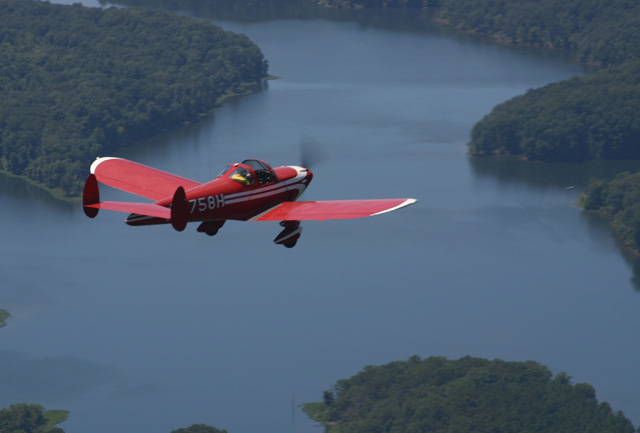
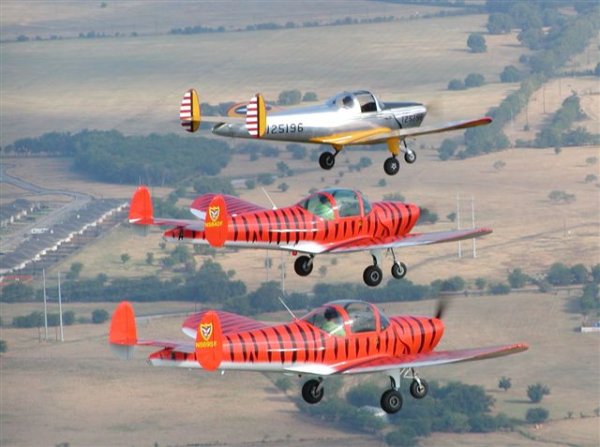
Oh, what a good time was had by all at the 2018 EOC Flyin! More coming soon, but here's a stunning photo:
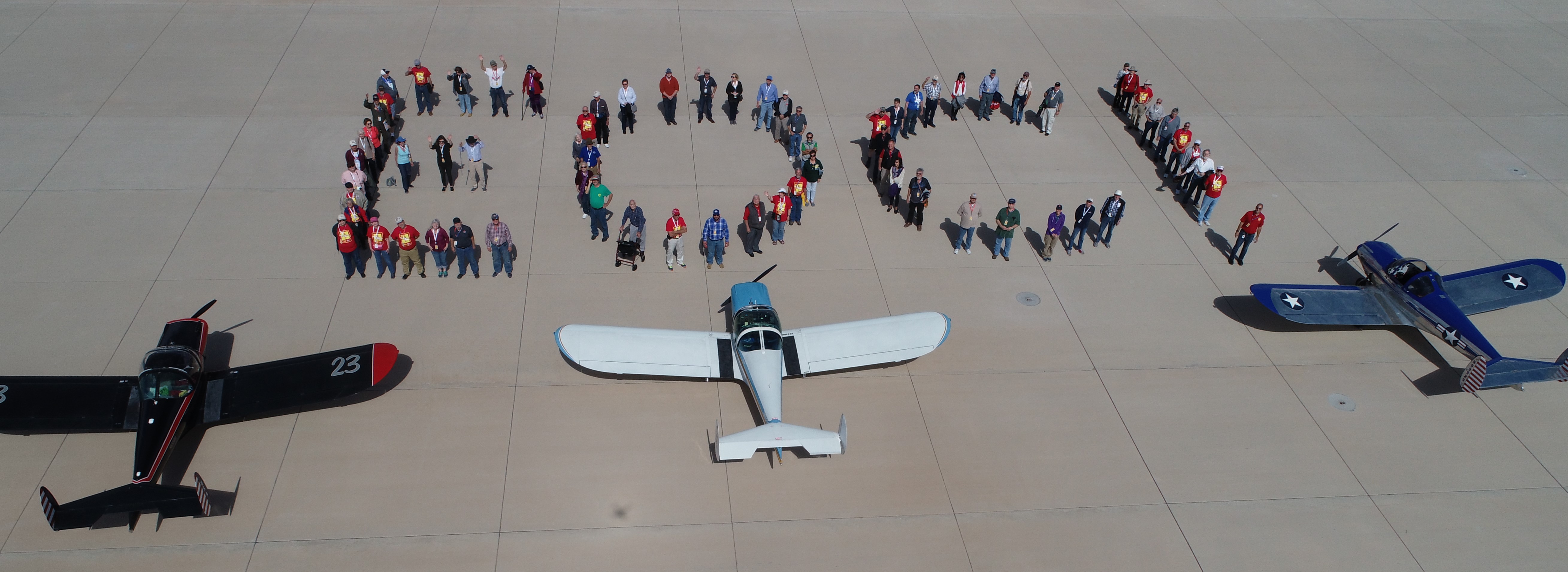
Photo Credit: Lisa Bentson
Where in the world is Waldo?
OK, not Waldo, but those Coupes? a Google map has been created showing all the FAA and Canadian registered "Coupes" we could find. Go to this link: http://tinyurl.com/gnth3y2
There are multiple layers to the map:Coupes by Model (A2's and A-2A's combined) pinned on the map by city and state and Canadian coupes. Layers are shown by model number and can be turned off individually so see just 415-C's, etc. I’ve taken liberties with the FAA data and if it looked like a variant of the same thing, I changed it (for example, all ERCOUPE 415-C and 415-C are now called just 415-C). And, anything with ERCOUPE in the model is now an ERCO.
You can search by just about anything that you want: street address, name, model, make, etc.
Thinking of buying a coupe? Check out this helpful article: Buying a Coupe - a pre-purchase inspection guide
Look in the forums under "For Sale" items.
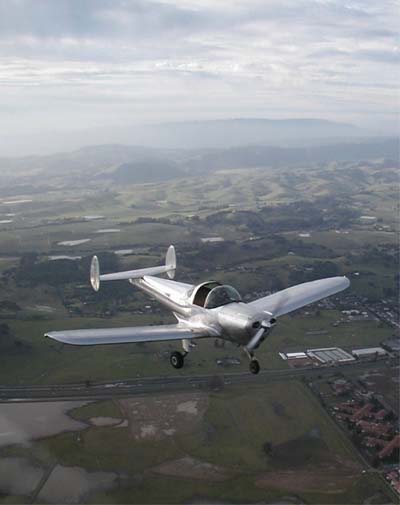
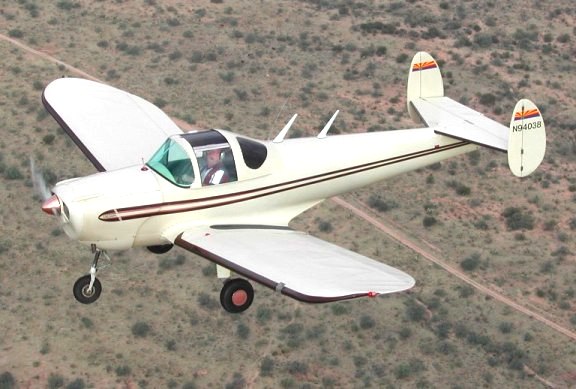
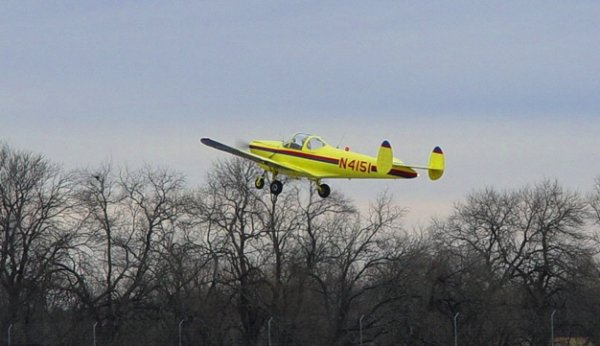
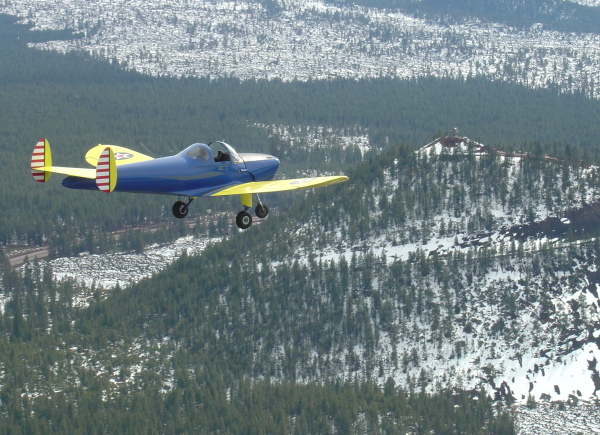
We fly an airplane that was the peak of pre-World War II development. It took more than a decade and a half before the features of the Ercoupe were the norm in civil aviation. Yet the industry finally followed.
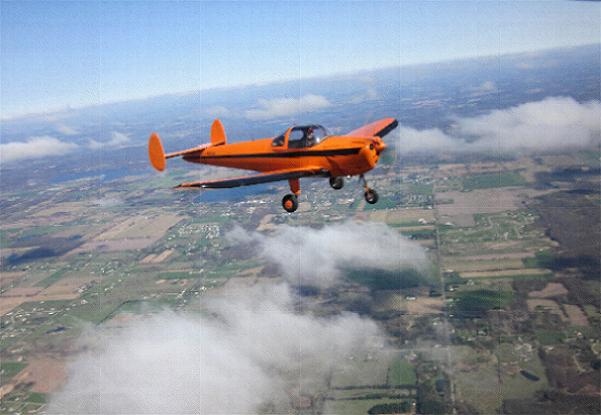
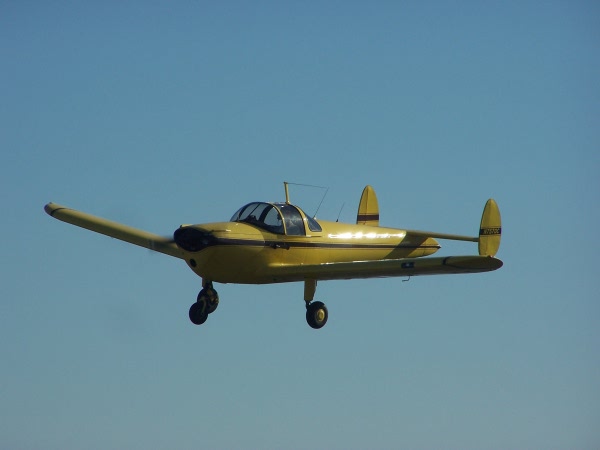
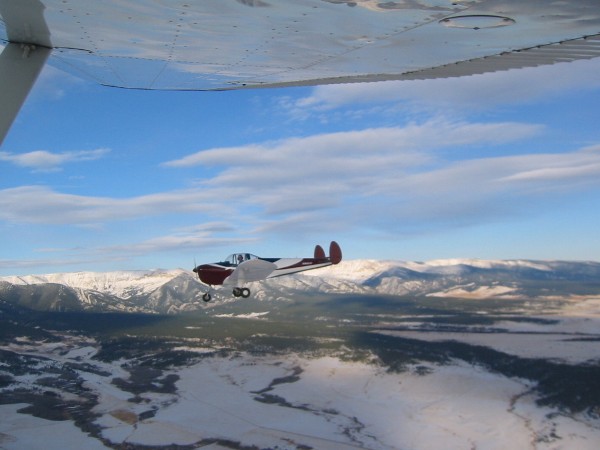
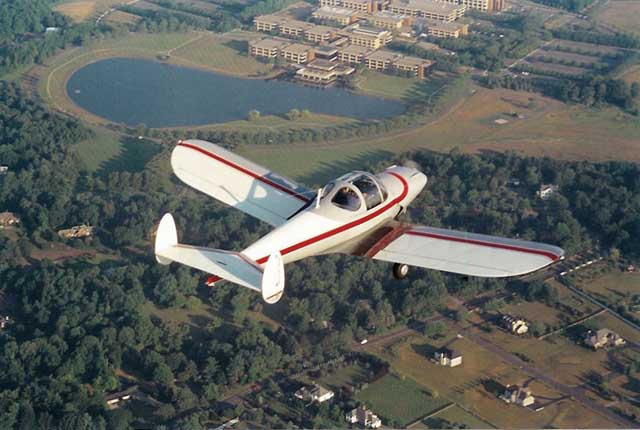
The members of the Ercoupe Owners Club provide each other mutual support as we keep these classic aircraft in the air. Along the way, we've found that Coupe people are a little bit special, themselves. Please browse our site and enjoy.
Contact Information
- Ercoupe Owners Club:
- Gene Bunt, Executive Director - (This email address is being protected from spambots. You need JavaScript enabled to view it.)
- 803 Briar Ave
- Toms River, NJ 08753
- 732.600.6506
Coupe Capers Newsletter Editor
(530)MEMBERS (530-636-2377)